





Baltimore Harbor Tunnel I-895 All Electronic (Cashless) Tolling
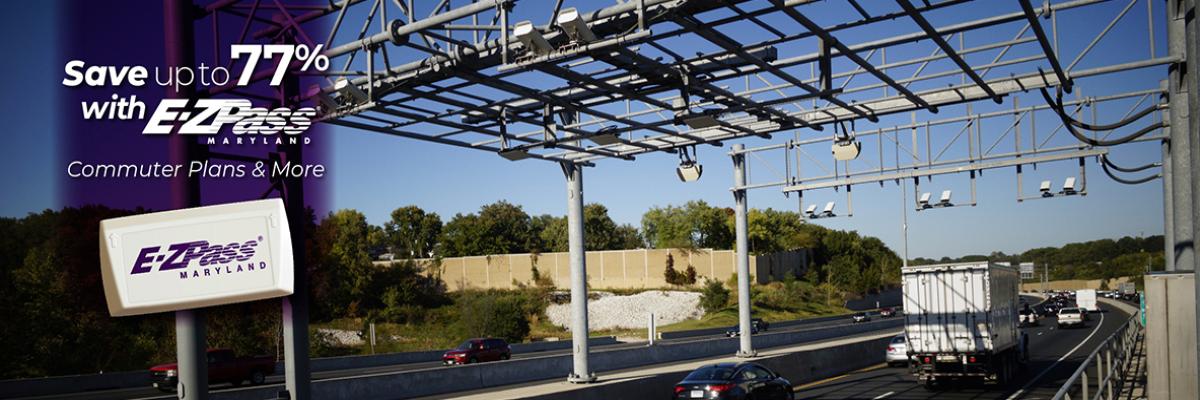
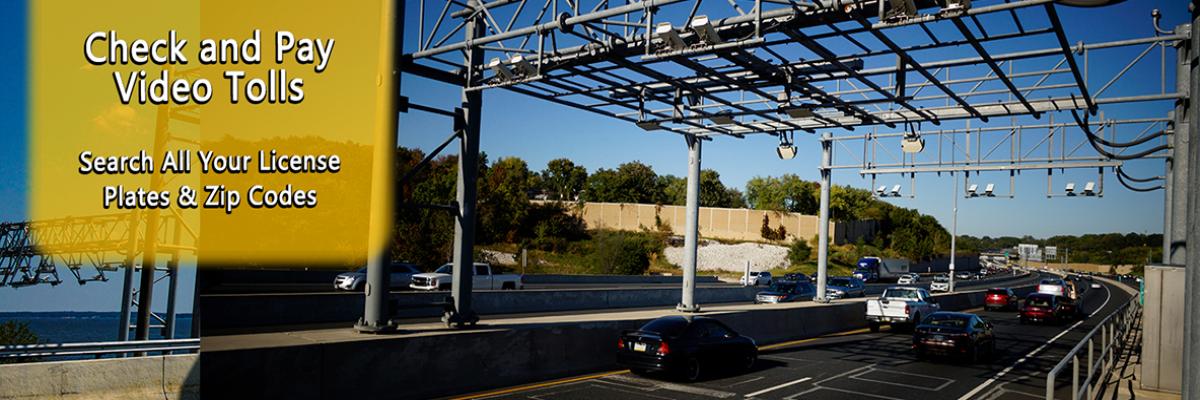
The Maryland Transportation Authority (MDTA) began all-electronic tolling (AET) construction work in Summer 2024 at the Baltimore Harbor Tunnel (I-895) toll plaza. With AET, there’s no slowing or stopping to pay tolls. Instead, motorists pay tolls at highway speed via E-ZPass, Pay-By-Plate or Video Tolling. Benefits include increased safety, less engine idling and better fuel efficiency.
AET conversion at the Baltimore Harbor Tunnel will result in removal of the existing toll plaza south of the tunnel portal, once the new Francis Scott Key Bridge is open to traffic. Beginning in summer/fall 2025, I-895 tolls will be collected by three new toll gantries – a single large toll gantry for mainline I-895 located north of the tunnel and two small toll gantries located on the Childs Street ramps. Once the new toll gantries begin operations, tolls will no longer be collected at the existing toll plaza. There will be no change to the toll rates.
Drivers must obey the posted speed limits and slow down through the toll plaza until the structures are removed. Once the toll plaza is removed, drivers will no longer need to slow down to maneuver through the area, resulting in improved safety and decreased vehicle emissions.
The remainder of the work is part of a larger I-895 at Frankfurst Avenue Interchange Improvements Project, which includes modifications to the existing interchange ramps to accommodate highway-speed tolling, replacement of the I-895 bridges over Frankfurst Avenue and Childs Street, a new traffic signal at the Masonville Cove Environmental Education Center and the realignment of the Frankfurst Avenue and Shell Road intersection to provide safer access to northbound I-895.
The I-895 at Frankfurst Avenue Interchange Improvements Project will be completed in three phases. The removal of the existing toll plaza will be part of Phase 3, which is anticipated to occur after completion of the Key Bridge.
During construction, motorists must obey the posted speed limit, avoid distractions and watch for crews and construction equipment in the work zone.
The completion of this project will signify the final conversion of toll plazas under the MDTA jurisdiction to highway-speed AET.
The AET implementation schedule is as follows:
August 2024 – Summer/Fall 2025:
- Construct new toll gantry on I-895 north of the Harbor Tunnel
- Construct new toll gantries on the access ramps from Childs Street
- Begin electronic Toll Collection

Proposed Overhead Toll Collection Gantries - Childs Street On and Off Ramps

Proposed Overhead Toll Collection Gantry - North of Harbor Tunnel
Current Configuration as of Summer 2026:

While the Francis Scott Key Bridge is being rebuilt, the MDTA is taking steps to reduce traffic impacts associated with increased use of the Baltimore Harbor Tunnel. Traffic barrels are in place to guide general traffic to the left two lanes, and commercial vehicles to the right two lanes as indicated in the graphic above. Exiting vehicles, all trucks and motorists entering from the Childs Street on ramp must stay right through the former toll plaza and tunnel.
After completion of the Key Bridge:
- Remove the Baltimore Harbor Tunnel toll plaza and complete the interchange reconfiguration on mainline I-895
- Remove the Shell Road on-ramp to northbound I-895

Additional information:
Drivers Update
Drivers Update Flyer (PDF Download)